
Articles of Interest
Global Conflict as a Governance Risk: What Pension Boards Should Consider

The current global environment is marked by heightened geopolitical tensions across multiple regions, with implications for pension plan investment performance, funding, and stakeholder relations. The 2026–2027 Annual Risk Outlook by the Office of the Superintendent of Financial Institutions (OSFI) underscores that economic threats arising from today’s geopolitical and trade environments are negatively impacting the Canadian economy. The test for pension plan sponsors and administrators is how they are responding to these strategic risks within their governance frameworks
While the insights in this article apply broadly, the focus here is on single employer plans, which have a dual governance mandate as they oversee both the core business and the pension plan.
Efforts by the new federal government to resolve diplomatic tensions with China and India, together with the upcoming CUSMA review, may provide some near-term relief on the trade front. Global conflicts, however, remain unpredictable and require deliberate attention by boards and pension committees. The issue is not whether global conflict is an immediate problem, but how it is factored into strategic risk oversight and governance decision‑making.
While these developments may appear distant from day‑to‑day pension administration, boards and committees overseeing pension plans must consider how global conflict affects the resilience of investment portfolios. Boards and their committees should incorporate awareness of these risks into governance processes and fiduciary decision-making, while recognizing that it is impossible to predict geopolitical outcomes. Reluctance to engage in discussion of global political conflict because of its sensitivity can create blind spots in risk oversight. Conversely, knee‑jerk responses to pressure to divest from defence‑related investments may introduce legal, financial, and regulatory risks of their own.
Global conflict risk in a pension governance context
Regional wars, armed escalation, military alliances, and economic sanctions have been linked to inflation, swings in energy and commodity prices, and regulatory restrictions, and together they indirectly create market-driven financial, operational, and reputational risks. For plan sponsors, the challenge is often not whether conflict-related risk exists, but whether it is contemplated within existing governance frameworks.
Limited internal resources, reliance on external managers, and competing governance priorities can make it difficult to assess how global conflicts may affect investments, funding, or the sponsor covenant unless the issue is raised intentionally. Oversight of these risks resides with the board, supported, where applicable, by a pension committee. Regardless of structure, clarity on where the duty of care to plan members and retirees sits is a critical governance consideration.
From an investment perspective, wars can materially affect sector performance, particularly in defence, infrastructure, transportation, energy, and commodities. Exposure may arise indirectly through pooled funds, making it difficult for smaller plans to fully avoid certain sectors without materially altering the portfolio. Further, global conflict can create significant market volatility, inflationary pressures, and supply chain disruptions that can impact pension funding risks and increase liabilities.
Boards may face some stakeholder pressure to divest from investments in weapons manufacturing and defence-related industries. For example, university administrators have faced boycott, divestment, and sanctions (BDS) demands from some student and faculty groups in response to conflicts in the Middle East. Further, Canada’s commitment to meeting NATO targets and its new Defence Industrial Strategy may amplify divestment pressures, creating tension between stakeholder expectations and fiduciary obligations to ensure retirement security for plan members and retirees. While boards should be attentive to stakeholder concerns, reactive, ad hoc divestment decisions driven by geopolitical factors may expose the board to legal challenge.
Avoiding governance blind spots and pitfalls
Global conflict risk cannot be considered in isolation from the sponsoring employer’s broader governance framework. The board of directors of the employer organization—the sponsor—holds ultimate fiduciary responsibility for the long-term sustainability of the plan. While it may be supported by a pension committee to oversee day-to-day administration, the board cannot fully delegate its fiduciary duty and must provide oversight of the committee’s work. At the same time, the pension committee shares fiduciary responsibility and must demonstrate an appropriate standard of care for the tasks it is assigned.
When governance processes are not designed to anticipate or respond to geopolitical instability, blind spots can form at the enterprise level across strategy, risk management, portfolio oversight, and investment decision-making. In this sense, pension risk is closely linked to enterprise risk. Pension plan pressures can affect the employer’s financial resilience, and vice versa. This underscores the importance of understanding how global conflict risk is considered within broader governance and risk management frameworks. Boards should avoid over-reliance on high-level geopolitical commentary that lacks detail on how specific conflicts, sanctions, or geographic exposures are managed.
There is a tendency to avoid discussion of global conflict because of its political sensitivity. From a governance perspective, however, avoidance is counterintuitive. A lack of probing discussion or documentation—driven by a desire to keep politics out of the boardroom—may be difficult to defend if geopolitical impacts negatively affect the pension plan or the employer’s broader financial resilience. Discussions about global conflict can be undertaken by framing them around governance principles, focusing on risk, financial resilience, and fiduciary oversight rather than on taking a political position. Boards and committees can also seek support from external experts in geopolitical risk, governance, and public relations to help inform and frame their strategic risk analysis.
Exercising pension governance oversight
Rather than attempting to predict geopolitical developments, boards of organizations that sponsor their own pension plans should focus on strengthening oversight, integration with enterprise risk, and disciplined decision-making. The following questions can support more effective governance discussions:
- Does the board fully understand its fiduciary responsibility for the pension plan, even where a pension committee is in place, and does it exercise appropriate oversight of that committee?
- How does the board gain comfort that global conflict risks are being appropriately considered at the pension committee level and in its oversight of investment managers?
- How are the effects of global conflict on the pension plan reflected in the organization’s enterprise risk management framework, and could global conflict impact the organization’s overall financial position or funding strategy?
- How is global conflict risk differentiated from other geopolitical risks, such as climate or trade, and is this distinction reflected in the plan’s risk framework?
- How does the board exercise sufficient challenge and oversight of reporting from investment managers on geopolitical risk, and are reports sufficiently specific or overly high-level?
- How should the board balance stakeholder pressures regarding ethical investing or divestment with its fiduciary obligations to plan members and retirees?
- Is the board proactively discussing geopolitical risk, and are discussions and decisions adequately documented to demonstrate due diligence?
Closing thoughts
Global conflicts are not a distant problem. Their impact on pension plans requires boards and pension committees to consider geopolitical risks within the governance process. Boards and pension committee members are not expected to be geopolitical experts or to predict global events, but they must be willing to engage with this difficult and sometimes uncomfortable topic. They should understand how global conflicts may affect investment performance, funding stability, organizational resilience, and stakeholder relationships.
In a geopolitically complex environment, pension risk is closely connected to broader governance concerns for the employer. From a fiduciary perspective, failing to consider these linkages is itself a governance risk. Boards that integrate geopolitical considerations into governance processes, ask the right questions, and document their discussions are better positioned to navigate uncertainty while fulfilling their fiduciary duty.
Dr. Ken Chan ICD.D, Partner, Optimus SBR
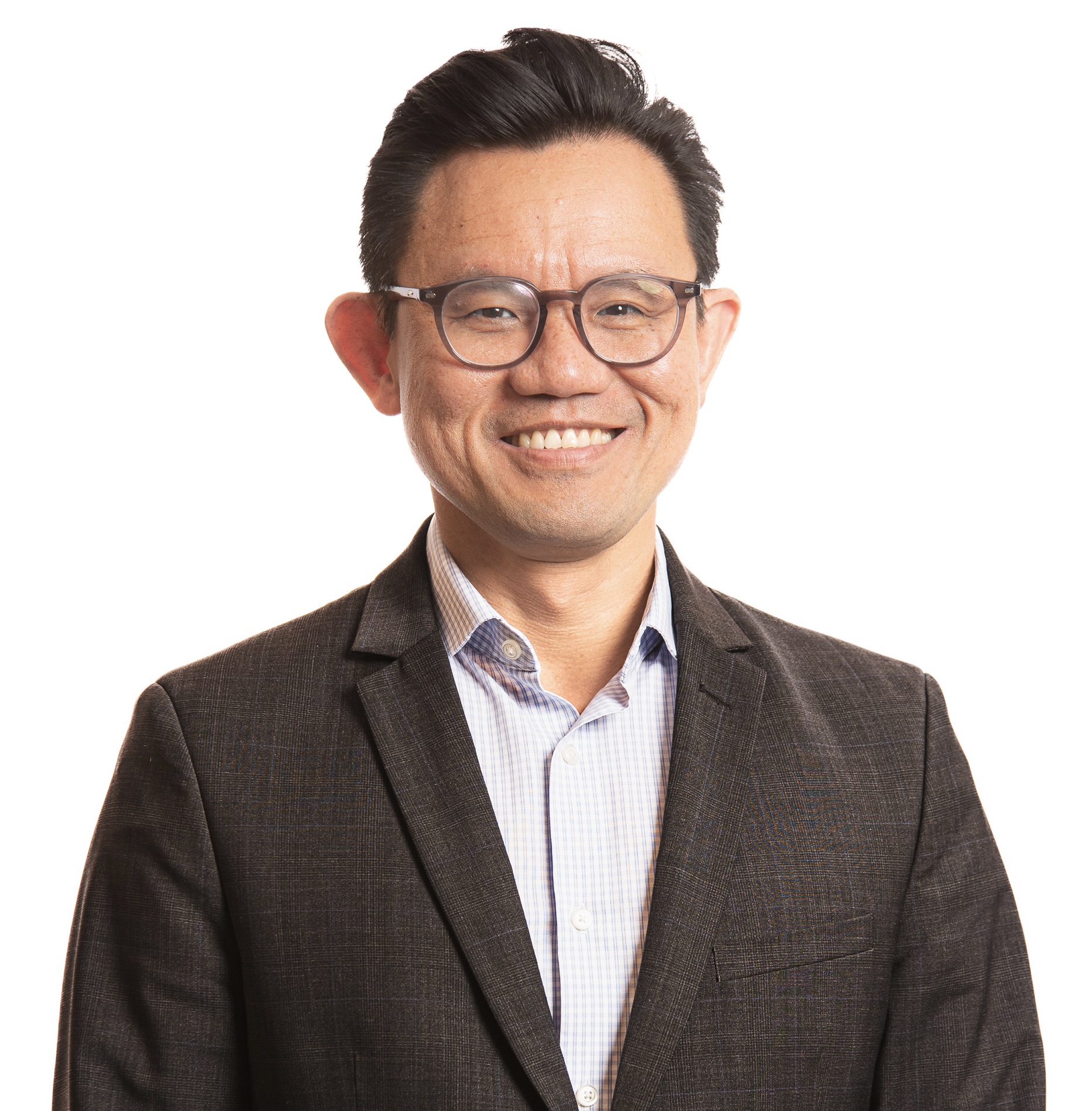
Dr. Ken Chan ICD.D is a Partner at Optimus SBR and serves on several boards, including the Canadian Air Transport Security Authority. He is a Director‑in‑Residence at the Institute of Corporate Directors. Dr. Chan holds a PhD from ESCP Business School and a Master of Forensic Accounting from the University of Toronto.
He previously served as Chief Administrative Officer at Victoria University and Vice President, Administration at Brock University, where his portfolio included responsibility for the administration of the institutions’ pension plans. Dr. Chan is a former Assistant Deputy Minister in the Ontario Government and a former Senior Advisor in the Mayor’s Office at London City Hall (UK).